Mesh vs Textile vs Leather: Which Jacket Material Keeps You Coolest and Safest?
Sticky heat versus sticky situations. Malaysian riders know the temptation to skip gear, but the right material might just make you safer by actually being wearable. Let’s settle the mesh versus textile versus leather debate with tropical honesty.
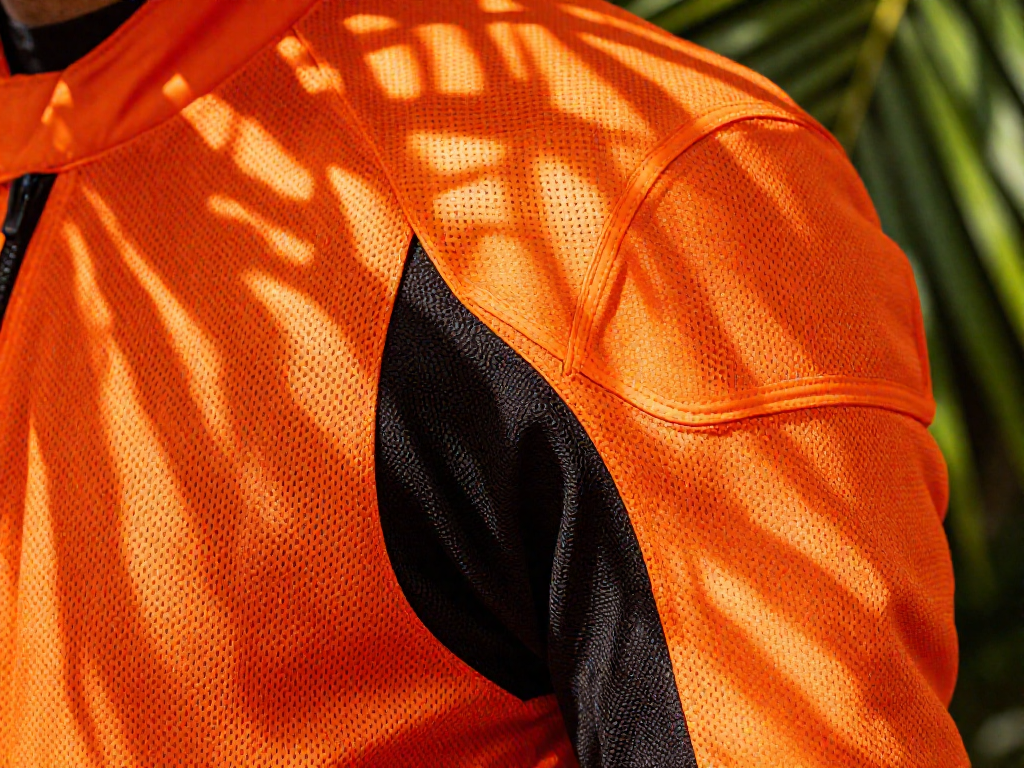
Tropical Riding: Why Your Jacket Material Matters More Here
For Malaysian street riding, a CE-approved mesh jacket with armor delivers the best blend of cooling airflow and impact protection. If it's too hot, it won't be worn—and an unworn jacket offers no safety. In our humidity, material is a safety choice.
Mesh flows air but trades abrasion resistance. Textile (like Cordura) is tougher with some vents, but warms up faster. Leather excels in a slide yet becomes unbearable in traffic jams. For daily rides, avoid leather; mesh or vented textile keeps you protected and comfortable.
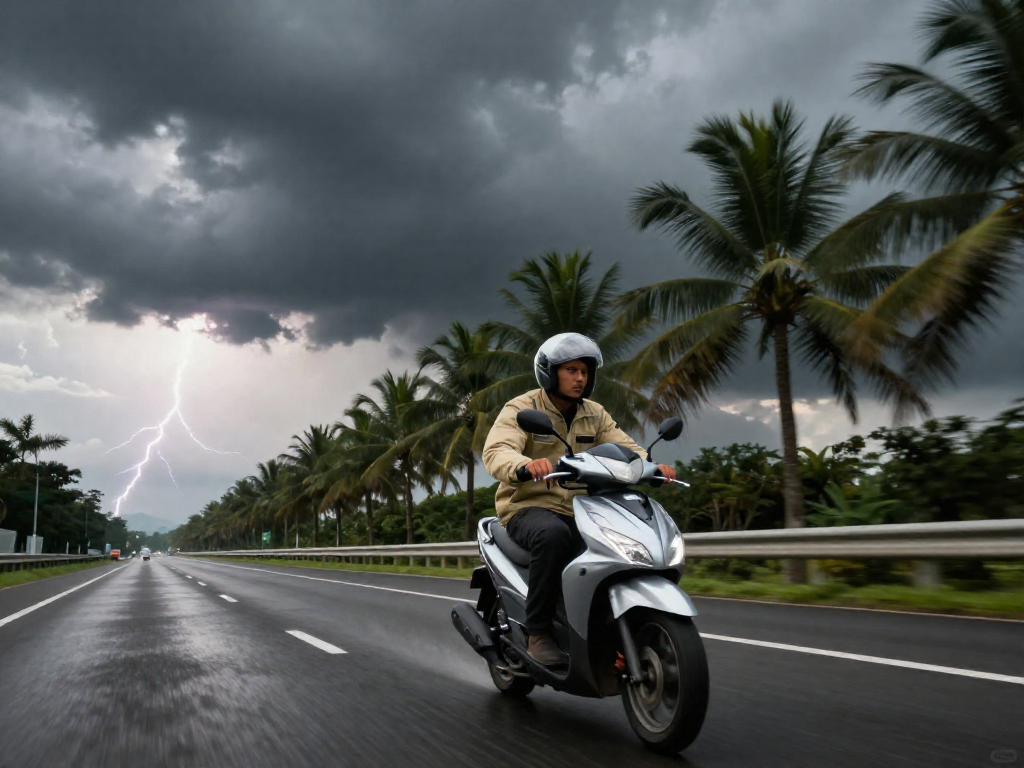
In-Depth Material Comparison: Mesh vs Textile vs Leather
When you’re sitting at a traffic light under the Malaysian sun, the jacket that keeps you cool is the one you’ll zip up every single ride. For most commuters, mesh is the clear winner for breathability, but modern textile jackets have narrowed the gap without giving up too much protection. Leather, despite its legendary toughness, is just the wrong tool for a humid, stop-start daily ride.
Airflow and Heat Management
Mesh jackets use large, open-weave panels—typically polyester or nylon—that let air rush in as soon as you’re moving. Even at walking speed, you’ll feel a cooling breeze. High-quality mesh can flow so much air that on overcast mornings, you might actually feel chilly. Textile jackets, by contrast, often rely on zippered vents across the chest, back, and sleeves. The best ones, built with laminated waterproof membranes like Gore-Tex or similar proprietary layers, can still move a decent amount of air when the vents are open, but they never match the full-perf feel of a mesh jacket. Perforated leather does exist, but the holes are far smaller and fewer; even a well-vented leather jacket will trap more body heat than the other two materials.
Abrasion Resistance and Tear Strength
Here’s where the trade-offs become real. Standard polyester mesh used in budget jackets will shred quickly in a slide—think fractions of a second on coarse tarmac. That’s why you should only look for reinforced mesh that carries a CE AA garment rating. These jackets use heavier denier yarns, often with a tighter hexagonal ripstop weave, and strategic overlays of high-tenacity fabric on elbows and shoulders. They can withstand several seconds of abrasion, which is typically enough for urban speeds.
Textile jackets built with Cordura 600D or 1000D panels in impact areas are a step up. A good 600D textile jacket with double-stitched seams can hold together under slide times that exceed many mesh jackets, and some achieve the coveted CE AAA rating—the highest for motorcycle garments. Leather is still king of abrasion resistance: even mid-weight cowhide (1.2–1.4mm) can take a prolonged slide without bursting, and it naturally resists tearing. But today, a high-end textile or reinforced mesh jacket can provide protection that’s more than adequate for street riding without the weight and heat penalty.
Armour and CE Ratings
The jacket’s material is only half the story. All three types can house CE Level 1 or Level 2 armour at the shoulders, elbows, and back. A mesh jacket rated CE AA with Level 2 armour will protect you far better than a cheap leather jacket with no impact protection. So, when comparing, look beyond the shell material: a mesh jacket with a full suite of Level 2 protectors is safer than a textile or leather jacket with only Level 1 pads.
Weight and Daily Comfort
Mesh jackets are featherlight—often under 1.5 kg—and you barely notice them off the bike. Textile jackets typically add a kilo or more, especially with thermal liners that you’ll never use in our heat. Leather is heavy, stiff when new, and exhausting to wear for short commutes where you’ll be on and off the bike frequently.
Water Behaviour
Mesh jackets aren’t waterproof, but they dry in minutes once the rain stops. Many come with a light rain shell you can throw on in a downpour. Textile jackets with bonded membranes keep you dry but can feel suffocating in high humidity once the rain passes. Leather soaks up water like a sponge, becomes even heavier, and takes ages to dry—a recipe for mildew if not properly maintained.
The Bottom Line for Malaysian Riders
For daily commuting and weekend exploration under our equatorial sun, a quality reinforced mesh jacket with CE AA certification and Level 2 armour strikes the best balance. It flows the most air, weighs the least, and still provides impact and abrasion protection that meets modern safety standards. Textile makes sense if you ride farther or want a single jacket that can handle variable weather with a thermal liner packed away. Leather remains the top choice for track days or high-speed touring, but it’s overkill for the average urban or rural ride here. Ultimately, the best material is the one you’ll actually wear every trip—because a jacket left at home offers zero protection.
Armor, CE Ratings, and Construction: The Hidden Safety Factors
Many riders make the mistake of judging a jacket's safety solely by its outer material. Thick leather feels safer than airy mesh, but real protection depends on the armor inside, the seams, and the overall construction certification. Let's break it down.
Impact protectors—the hard or dense pads covering your shoulders, elbows, and back—are independently tested and rated. CE Level 1 protectors absorb a basic amount of impact energy; CE Level 2 protectors must absorb significantly more, often around twice the energy of Level 1. A mesh jacket equipped with full CE Level 2 armor in all key zones can deliver far better impact protection than a fashion leather jacket that comes with nothing but a thin foam pad. Even a high-quality leather jacket without upgraded armor leaves your joints vulnerable. Look for jackets that list CE Level 2 as standard, or at least have pockets that accept aftermarket Level 2 pads. Don't ignore the back protector slot: many jackets include only a sliver of comfort foam. Swap it for a proper CE-rated back insert—it's the cheapest way to turn any jacket into a much safer piece of gear.
Beyond impact, how the jacket is stitched together matters enormously. Double or triple stitching at high-stress seams prevents the jacket from bursting open in a slide before the abrasion-resistant fabric can do its job. Hand in hand with seam strength is the CE garment rating. You'll see jackets marked A, AA, or AAA under a small pyramid symbol. This rating tests the complete jacket system for abrasion resistance, tear strength, and burst resistance—not just the material. Critically, this rating is fabric-agnostic. A mesh jacket can achieve AA, meaning it survived simulated slides on designated test surfaces at speeds that reflect real-world riding. Conversely, a non-rated leather jacket might look tough but hasn't been certified for any specific level of abrasion resistance. For Malaysian roads and typical continental speeds, an AA-rated jacket is a solid benchmark that balances safety with practicality.
Here's the insight most riders in our climate overlook: a jacket you actually wear is infinitely safer than one that hangs in the cupboard. Leather jackets often end up gathering dust because they're simply too oppressive in 35°C heat and 90% humidity. A well-ventilated, AA-rated mesh jacket with full CE Level 2 armour is a package you'll happily zip up every morning. That daily compliance matters more than the theoretical superiority of a heavy, non-certified leather coat that stays home. So, next time you compare jackets, don't just stroke the fabric. Flip the jacket inside out, verify the armor ratings, check the seams, and look for that CE garment certification. It's the hidden safety story that keeps you riding protected, rain or shine.
Choosing the Right Jacket for Your Ride: Commuting, Touring, or Sunday Rides
For the daily grind through Kuala Lumpur’s stop-start traffic, a light mesh jacket with basic CE Level 1 armor is your best friend. Air flows freely at low speeds, and the minimal weight won’t sap your energy in the humidity. Because rainstorms ambush without warning, always stash a packable waterproof shell under the seat—a full textile jacket here would leave you drenched in sweat before the afternoon showers even start.
Weekend rides up to Genting or along the coastal roads demand more versatility. A textile jacket with a removable waterproof liner gives the widest comfort window. Open the zippered vents and leave the liner at home when the sun blazes; zip them shut and snap the liner in the moment clouds gather. Textile dries faster than leather after a downpour and won’t grow mould if you hang it in a ventilated spot—a real consideration in our climate.
Long-distance touring calls for a robust textile jacket or reinforced mesh shell with CE Level 2 armour at the shoulders and elbows, plus a back protector. Superior abrasion resistance and impact protection are non-negotiable at highway speeds. Layer smart: a sweat-wicking base keeps you dry, while the zip-in thermal liner handles highland chills. Skip leather entirely on these trips—it bakes you in the sun, turns into a sweatbox, and takes ages to dry after rain, inviting mildew unless you’re obsessive about maintenance.
Humidity does leather no favours, either. It absorbs moisture from the air, slowly degrading the material and encouraging mould if stored without care. Mesh and textile shrug off humidity far better, needing only a quick wipe-down or hang-dry. For our ever-damp environment, the practical choice leans heavily toward breathable synthetics for all but the most committed style purists.
Quick Maintenance and Longevity Tips
Mesh jackets just need a quick hose-down after dusty rides, textile jackets demand careful membrane care and no fabric softeners, while leather needs only occasional conditioning to fend off mould in Malaysia's humidity.