The Best Rain Gear for Riders Who Commute Every Day
Malaysia’s unpredictable tropical rain can drench riders in seconds, turning a routine commute into a safety hazard. Staying dry isn’t just about comfort—it’s about maintaining focus, grip, and control. This guide cuts through the clutter to help daily riders choose, use, and maintain the best rain gear for year-round commuting.
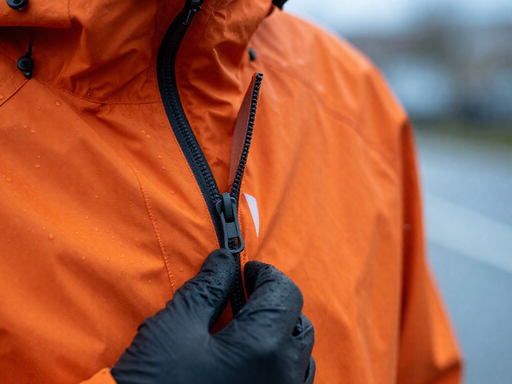
Why Quality Rain Gear Matters for Daily Commuters
Riding in Malaysia’s tropical downpours without proper rain protection is more than just uncomfortable – it can compromise your safety and health. When you get soaked, your body loses heat rapidly, leading to shivers and a drop in focus. Even in our warm climate, wet clothes against the wind can bring on chills that slow your reaction time and decision-making on the road.
Saturated clothing also weighs you down and restricts movement. A heavy, clingy jacket or pants makes it harder to operate the throttle, brakes, and clutch with precision. Water sloshing around inside your helmet or gloves further distracts you, turning a routine commute into a dangerous struggle.
Beyond immediate control issues, repeated exposure to rain ruins your everyday riding gear. Non-waterproof jackets and pants lose their shape, padding breaks down, and stitching weakens. Moisture seeps into electronics like your phone, intercom, or bike key fob, leading to costly repairs. Quality rain gear isn’t just an accessory; it’s an investment in staying alert, comfortable, and in full command of your ride, day after day.
Types of Rain Gear for Motorcycle Riders
Choosing the right rain gear means matching your riding style and route to the right category. Here’s what every Malaysian commuter should know.
Rain jackets vs. full suits
A standalone rain jacket is quick to throw on and perfect for short trips or light drizzle. However, for our sudden tropical downpours, a one-piece or two-piece rain suit offers full protection. Two-piece suits (jacket and trousers) are easier to put on over work clothes, while one-piece suits seal better at speed but can be tricky to get in and out of at the kopitiam.
Ponchos and capes
Popular among scooter riders, ponchos drape over you and the handlebars, keeping legs and feet dry. They’re incredibly convenient for quick stops—just flip and go. The trade-off? In gusty weather, they can billow and affect control, and they provide no impact protection. They work best on low-speed commutes through traffic, not highway blasts.
Overpants and waterproof trousers
If you prefer to wear your own trousers, overpants are a great option—zip them on in seconds and slip them off without removing your boots. Some are simply waterproof, others include armour for extra safety. Look for taped seams and a relaxed fit so they don’t restrict movement when you filter through jam.
Accessories for head-to-toe dryness
Don’t forget the extremities. Waterproof gloves with a good grip keep your hands warm and functional on controls. Boot covers or waterproof riding shoes prevent soaked socks, which can be dangerously distracting. An anti-fog helmet visor is a lifesaver in humid rain—pinlock inserts or treated visors help you see through the spray. Some riders carry a small squeegee on a lanyard for quick clears at the lights.
Key Features to Look for in Rain Gear
When shopping for rain gear in Malaysia's tropical climate, you'll want to focus on a few critical features that separate a truly effective set from one that leaves you soaked and uncomfortable.
First, understand the difference between waterproof and water-resistant. Water-resistant fabrics can repel light moisture, but only fully waterproof materials with taped seams will keep you dry during a heavy downpour. Look for sealed or welded seams rather than just stitched ones, as stitching creates tiny holes that eventually leak.
Breathability is equally essential. Without it, you'll feel like you're riding in a sauna. Jackets and pants with vents, mesh linings, or moisture-wicking membranes allow sweat to escape, reducing that clammy feeling inside.
Visibility is another must. Malaysian rain often comes with poor light, so reflective panels, piping, or bright colors help drivers see you through the downpour. Even a subtle reflective strip can make a big difference.
Packability should not be overlooked. The best rain gear stuffs into its own pouch or folds tightly, taking up minimal space under your seat or in a top box. Lightweight materials contribute to this and also make the gear less cumbersome to wear.
Finally, durability matters. You'll be pulling it on over your regular riding gear repeatedly, so tough ripstop fabrics and reinforced wear points prevent tears and ensure the gear lasts season after season.
Top Rain Gear Picks for Malaysian Riders
Choosing the right rain gear makes all the difference when you’re caught in one of Malaysia’s sudden downpours. Here are some practical options to suit different budgets and riding styles.
Affordable Everyday Essentials
Basic PVC rain suits are widely available on platforms like Shopee and Lazada, often costing less than RM50. They’re lightweight, packable, and do the job for short commutes. Look for sets with taped seams and a hood that tucks under your helmet. While they aren’t the most breathable, they’re a solid starting point to always keep under your seat.
Trusted Mid-Range Brands
For better durability and comfort, consider GIVI or Kappa rain gear—popular among Malaysian riders. Decathlon’s motorcycling line also offers reliable jackets and pants with waterproof zippers and ventilation panels. These sets typically use polyester with a waterproof coating, strike a good balance between price and performance, and are easy to find at local bike accessory shops.
Premium All-Weather Solutions
If you ride daily regardless of the weather, investing in a Gore-Tex suit from Alpinestars or Rev’It pays off. These layers are fully waterproof yet breathable, with reinforced impact areas and reflective details for visibility. They can handle hours of heavy rain without wetting out, making them ideal for touring or long-distance commuting. The higher cost is offset by years of reliable protection.
Local Favourites and Custom Options
Brands like Marlin and Coocase have earned a loyal following for offering rain gear tailored to Southeast Asian conditions. Some riders swear by custom-made rain capes or jackets from Malaysian workshops, which can be cost-effective and perfectly fit your riding posture. Check with local bike clubs or online forums for recommendations on where to find these bespoke solutions.
How to Properly Wear and Maintain Your Rain Gear
Getting the most out of your rain gear starts with wearing it correctly. For most riders, the rain jacket should go over your riding jacket. This prevents rainwater from seeping through your protective gear and keeps your outer layer dry. If your riding jacket is already waterproof, you can wear a lightweight rain shell underneath, but this is less common in our tropical heat.
Once you’ve layered up, adjust all straps, cuffs, and collars for a snug fit. Tighten waist drawstrings and Velcro tabs to stop water pooling, but leave cuffs slightly loose if you want some airflow. Use underarm vents or back flaps—many Malaysian-market jackets have them—to reduce the sauna effect. A good fit means no flapping fabric while riding, but enough room to move comfortably.
Proper care doubles your gear’s lifespan. After a ride, hang your suit in a well-ventilated area away from direct sun. If it’s muddy, rinse with plain water and wipe with a damp cloth. For a deeper clean, use a technical fabric wash (not regular detergent) to preserve the waterproof membrane. Avoid fabric softeners—they clog pores and ruin breathability.
Storage matters as much as washing. Always let gear dry completely before folding to prevent mould. Store loosely in a cool, dry place; avoid compressing it in a stuff sack for long periods, which can cause cracks in the lining.
Over time, the DWR coating that makes water bead up will wear off. You’ll notice the fabric wetting out instead of shedding droplets. Reapply a spray-on or wash-in DWR treatment every few months, or whenever water stops beading. Follow the product instructions carefully: most require a gentle heat cycle to activate the new coating. With consistent care, your rain gear will keep you dry ride after ride.
Bonus: Rain Riding Tips for Commuters
Even the best rain gear can't replace smart riding habits when the skies open up. In Malaysia's frequent tropical downpours, adjusting your riding style is key to staying safe on slippery roads.
First, slow down. Reducing your speed gives you more time to react and helps maintain control. Increase your following distance to at least double the usual gap—sudden stops are much harder to execute safely on wet tarmac.
Smoothness is your friend. Avoid abrupt braking or sharp turns; instead, apply brakes gently and lean gradually into corners. This reduces the risk of skidding, especially on painted road markings or metal surfaces that become incredibly slick when wet.
Visibility is crucial, so always switch on your headlights, even during daytime rain. This helps other road users see you through the spray and gloom. Be extra vigilant for hazards like puddles that can hide potholes, oil slicks near traffic lights, and the slippery lines of white road paint. Approach all road markings with caution, as they offer far less grip than the asphalt.
Finally, if the rain becomes too heavy to see clearly, don't hesitate to pull over at a safe spot—like a petrol station or rest area—and wait it out. A few minutes' delay is a small price for arriving safely.
FAQ
Can I wear a regular raincoat for motorcycling?
A regular raincoat is not safe for motorcycling because it can flap violently at speed, get caught in moving parts, and lacks impact protection. Invest in a fitted motorcycle rain suit with reflective strips and reinforced seams for visibility and durability on Malaysian roads.
How do I stop my helmet visor from fogging in the rain?
Apply an anti-fog coating or use a pinlock insert to prevent condensation. Slightly cracking the visor open allows airflow, but in heavy Malaysian downpours, a pinlock is most reliable for clear vision.
Is a one-piece or two-piece rain suit better for daily commuting?
A two-piece suit is more practical for daily commuting as you can wear just the jacket or pants as needed and it is easier to put on over work clothes. One-piece suits offer better waterproofing but can be less convenient for frequent stops.
How often should I waterproof my rain gear?
Re-apply waterproofing treatment every few months or whenever water stops beading on the surface. For frequent tropical use, check the gear monthly and re-treat if moisture soaks through instead of running off.
What is the best budget rain gear for riders in Malaysia?
Look for jackets and pants from brands like Givi, Komine, or local manufacturers that offer CE-certified protection and waterproof membranes at a moderate price. A basic set around RM200–RM400 with sealed seams and reflective panels will handle daily KL commutes reliably.