The Hidden Costs of Driving for a Ride-Hailing App on a Scooter
Many jump into ride-hailing on a scooter, thinking only about fuel costs. However, there are numerous hidden expenses that can eat into your earnings. This guide uncovers the real costs every Malaysian rider should budget for.
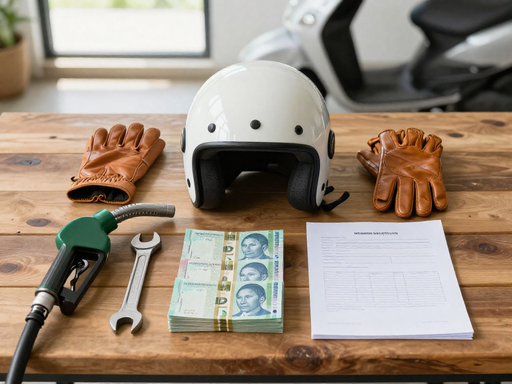
The Obvious: Fuel and Basic Running Costs
It’s the first expense every rider thinks of—fuel. Scooters like the Honda Wave and Yamaha LC135 are famously frugal, with many owners easily clocking 40 to 60 kilometres per litre under relaxed riding. In mixed city use, though, the numbers dip. Kuala Lumpur’s stop-and-go traffic takes a toll: constant idling, quick throttle inputs, and frequent stops drain the tank faster than you’d expect. A commute that should sip fuel can become noticeably thirstier when you’re stuck in gridlock on Jalan Tun Razak during rush hour.
Malaysia’s weekly fuel price announcements add another layer. Petrol prices can shift by a few sen every Wednesday, making it tricky to predict your monthly spending. One week you’re paying RM2.05 per litre, the next it’s RM2.15. Over hundreds of kilometres, that adds up.
Yet fuel is only the beginning. Understanding these running costs sets the stage for spotting the less obvious expenses that ride-hailing riders often overlook.
Maintenance and Repairs: More Frequent Than You Think
When your scooter becomes your daily workhorse for ride-hailing, the kilometres pile up far faster than a typical commute. This accelerated wear means you'll visit the workshop more often, and those service bills can quietly eat into your earnings.
Frequent service intervals - Engine oil: Most scooters need fresh oil every 3,000–5,000 km. Heavy start-stop city use may push this to the lower end, so expect an oil change every 4–6 weeks. Cost: RM30–RM60 per change (mineral vs. semi-synthetic). - CVT belt and rollers: The variable transmission wears steadily. A belt typically lasts 20,000–25,000 km, but frequent full-throttle launches can shorten its life. Budget around RM120–RM200 for a quality belt and roller set, plus labour. - Spark plug and air filter: These are often swapped every 10,000–15,000 km. Together they add RM40–RM80 to your service tab.
Tires: a hidden big expense Scooter tires are soft for grip but wear quickly under constant use. A set of decent 14-inch tyres (e.g., Pirelli Angel Scooter, Michelin City Grip 2) costs RM250–RM400 fitted. With ride-hailing, you might replace them every 8,000–12,000 km—possibly twice a year. Ignoring worn treads is a safety risk, especially on wet Malaysian roads.
What happens if you skip maintenance Missing oil changes leads to sludged-up engines and costly top-end rebuilds. A snapped belt can leave you stranded mid-delivery—and a tow truck fee of RM80–RM150. Neglected tyres and brakes increase stopping distances, making an accident more likely. Worse, a poorly maintained scooter loses resale value fast; buyers shy away from high-mileage units without a full service record.
Staying on top of these costs isn’t optional if you want to keep your side income reliable and safe. Budget around RM200–RM300 a month for routine maintenance, and you’ll avoid nasty surprises.
Insurance and Licensing: Are You Fully Covered?
Many scooter riders assume their existing insurance is enough when they start delivering for a ride-hailing platform. However, standard personal motor insurance policies in Malaysia typically exclude coverage for any commercial use, including p-hailing. That means if you're involved in an accident while on a delivery run, your insurer could reject your claim entirely.
To stay on the right side of the law and protect yourself, you'll need either a commercial vehicle policy or a p-hailing endorsement added to your existing coverage. This is a requirement under Malaysian regulations, and failing to comply can lead to fines and even the suspension of your riding license if caught by the Road Transport Department (JPJ).
The cost difference is often surprising. A personal insurance policy for a kapcai might be quite affordable, but a commercial policy or endorsement can easily double or triple that amount. Some insurers offer specific p-hailing add-ons, but premiums vary based on your scooter’s engine capacity and your delivery volume.
Riding without proper coverage is a gamble. If you cause an accident, you'll be personally liable for all damages and medical bills—which could run into thousands of ringgit. Even if the accident isn't your fault, you might still face legal trouble for operating without valid insurance. The short-term savings aren't worth the financial and legal risks.
Before you start your first delivery, contact your insurance agent and confirm you're fully covered. It's an essential step that many new riders overlook, but it can save you from a world of trouble later.
Gear and Protective Equipment: Essential Investments
Riding for a ride‑hailing platform means you’re on the road far more than the average commuter—often in unpredictable Malaysian weather. Investing in proper protective gear isn’t just about comfort; it’s a recurring expense that directly affects your safety and efficiency.
Everyday Essentials
Start with a quality full‑face or modular helmet that meets SIRIM standards. An entry‑level certified model will cost a few hundred ringgit, and it’s worth budgeting for a spare visor or pinlock insert to fight fogging during downpours. A durable raincoat is non‑negotiable. Look for a two‑piece suit with sealed seams; you’ll likely replace it every year if you ride daily. A lightweight riding jacket with CE‑approved armour and ventilation panels is ideal for our heat, while sturdy gloves protect your hands from both weather and abrasion.
Delivery‑Specific Add‑ons
If you’re carrying food or parcels, a thermal delivery bag isn’t just a platform requirement—it’s an upfront spend that wears out from constant zipping and exposure to sun. Secure it well to avoid damage. A handlebar phone mount and a high‑capacity power bank (10,000 mAh or more) are essential to keep your navigation running. Cheap mounts can fail on rough roads; invest in a vibration‑dampening model, or you’ll end up replacing it sooner than planned.
When to Replace Your Gear
The Malaysian climate accelerates wear. Helmets should be replaced every 2–3 years or after any significant impact; the EPS liner degrades over time. Raincoats often lose waterproofing after 6–12 months of heavy use—look for peeling inner linings or damp patches. Gloves wear thin at the palm, and jacket armour can crack from repeated sweat and UV exposure. Budget at least RM50–RM100 monthly for eventual replacements, and rotate your gear if possible to extend its life.
Health and Safety Risks: The Hidden Toll on Your Body
Spending long hours on a scooter for ride-hailing takes a physical toll that riders often underestimate. The hunched posture, constant gripping of the handlebars, and vibrations from Malaysian roads can lead to persistent backaches, wrist strain, and even repetitive stress injuries. Many riders report numbness in their hands or nagging lower back pain after a full shift.
Beyond aches, the mental fatigue is just as draining. Navigating Kuala Lumpur traffic, meeting delivery deadlines, and staying alert in heat and rain demand intense concentration. Over time, this can cause concentration lapses and burnout, which not only reduce your earning capacity but also raise the risk of accidents.
Accident exposure is significantly higher for full-time riders. Even with a helmet and gear, a crash can result in injuries that sideline you for weeks. In Malaysia, out-of-pocket medical expenses can pile up quickly if your insurance doesn't cover everything—or if you haven’t added personal accident coverage. Lost income during recovery adds another layer of financial strain. Prioritising ergonomics, taking regular breaks, and investing in your health isn’t just about comfort; it’s about safeguarding your livelihood.
Opportunity and Hidden Administrative Costs
Beyond fuel and maintenance, the real cost of ride-hailing on a scooter lies in the time you don't get paid for and the administration that comes with self-employment. When you're swiping through your app waiting for orders, your scooter is already costing you money in depreciation and lost opportunities. Those silent hours add up quickly, especially during off-peak periods when you might be parked under the hot sun with the engine running just to keep cool.
As a self-employed rider, you're responsible for declaring your income to Lembaga Hasil Dalam Negeri (LHDN). Many riders overlook that ride-hailing earnings are taxable, and failing to set aside a portion for taxes can lead to a shock at the end of the financial year. You'll need to keep meticulous records of your trips, expenses, and perhaps consult a tax agent to ensure you're claiming deductible items like fuel, maintenance, and gear—proper paperwork takes time and sometimes money.
Then there's the silent depreciation of your scooter. Every kilometer you rack up lowers its resale value, and ride-hailing accelerates this wear. A scooter that might have served you for years as a personal commuter will age twice as fast when used commercially. Potential buyers will scrutinize the mileage and condition, often valuing it much lower than you'd expect. This loss in asset value is real and rarely factored into daily earnings calculations.
FAQ
Do I need special insurance to do ride-hailing on a scooter in Malaysia?
Yes, standard personal motor insurance does not cover commercial use. Ride-hailing platforms like Grab require supplementary e-hailing insurance or their partner protection plans, which add a moderate monthly cost.
How much does scooter maintenance cost for a full-time delivery rider?
Expect to spend RM200–RM400 monthly on upkeep, including frequent oil changes, belt and roller swaps every 6,000–8,000 km, plus regular tire and brake pad replacements due to high mileage.
Is it profitable to do ride-hailing on a scooter after factoring all costs?
After deducting fuel, maintenance, insurance, and phone data, many full-time riders net RM2,000–RM3,500 monthly. Earnings depend on hours, demand, and petrol prices, but it can be a viable income source with disciplined cost management.
What gear do I absolutely need for ride-hailing in Malaysia's weather?
A full-face or good quality open-face helmet with a clear visor, a breathable rain jacket and pants, durable riding gloves, and waterproof footwear are essential to handle both the heat and sudden tropical downpours safely.
Can I use my personal scooter for GrabFood or Foodpanda without extra costs?
You can use your own scooter, but you must upgrade to commercial insurance, which increases premiums. Additionally, you will need a phone mount and a delivery bag at your own expense, plus expect higher wear-and-tear costs.