Pet-Friendly Balcony Garden Layout: Safe Plants and Design Tips
Many pet parents dream of a balcony garden but worry about plant toxicity and safety. This guide gives you the confidence to design a beautiful, safe space where your plants and pets can coexist happily.
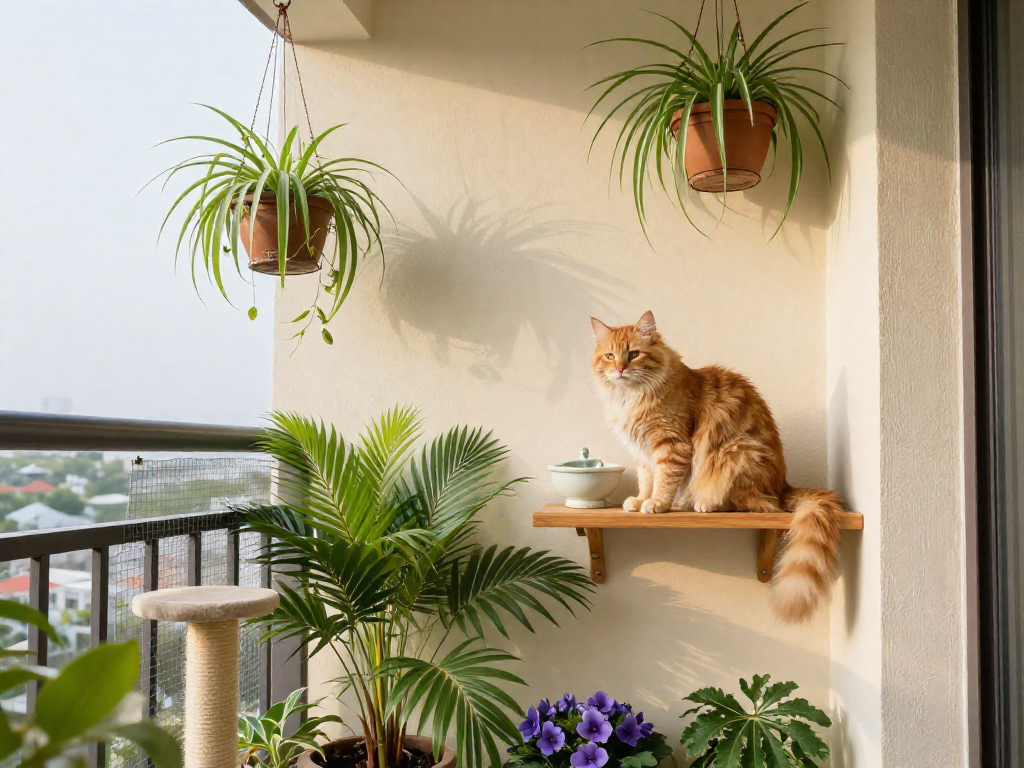
Why a Pet-Safe Balcony Garden Matters
When you share a balcony with a curious cat or a playful pup, every leaf and flower becomes a potential chew toy. Many popular houseplants and garden staples are surprisingly toxic to pets, and a single nibble can lead to an emergency vet visit. For example, true lilies—even a dusting of pollen—can cause acute kidney failure in cats, while aloe vera may trigger vomiting and lethargy in both cats and dogs. Sago palm is especially dangerous: all parts of the plant, especially the seeds, can cause severe liver damage. Hidden risks extend beyond the greenery. Fertilizers made with blood or bone meal smell enticing but can cause pancreatitis or blockages if ingested. Pesticides and herbicides often contain chemicals that are toxic on contact or through grooming, and cocoa mulch—a favorite of gardeners—contains theobromine, the same compound that makes chocolate poisonous to animals. By choosing pet-safe plants and avoiding risky amendments, you build a balcony where you can unwind with your pet without worry. That peace of mind transforms your outdoor nook into a true retreat for both of you.
15 Non-Toxic Plants for a Lush Balcony Garden
A pet-safe balcony starts with choosing plants that are beautiful and worry-free. Here’s a curated selection of 15 non-toxic options that thrive in containers and won’t harm curious cats or dogs—just be sure to check for individual allergies before introducing any new greenery.
Lush Greenery
- Spider Plant – Adaptable and easy to grow, its arching variegated leaves add instant fullness to hanging baskets.
- Boston Fern – This classic fern loves humidity and partial shade, perfect for softening balcony railings.
- Areca Palm – A fast-growing palm that creates a tropical feel and works as a natural privacy screen.
- Calathea – Known for its striking leaf patterns, it thrives in lower light and brings visual interest.
- Friendship Plant – A compact, trailing plant with textured leaves that stays lush in a small pot.
- African Violet – Blooms almost year-round in bright indirect light, adding a pop of color safely.
- Ponytail Palm – With its bulbous trunk and cascading leaves, it’s drought-tolerant and sculptural.
- Christmas Cactus – Cheerful winter blooms make it a long-lasting, pet-friendly favorite.
Flavorful Herbs
- Basil – A must-have for sunny spots; you’ll love the fresh scent and endless kitchen uses.
- Rosemary – Woody and drought-resistant, it doubles as a fragrant ornamental edible.
- Thyme – Low-growing and hardy, it spills beautifully over planter edges and attracts pollinators.
Colorful Flowers
- Marigolds – Bright and sturdy, they deter pests naturally and bloom profusely in full sun.
- Nasturtium – Both leaves and flowers are edible, adding a peppery kick to salads.
- Sunflowers – Dwarf varieties bring instant cheer and height to corner arrangements.
- Zinnia – Easy to start from seed, they keep producing lively blooms all summer long.
Remember to steer clear of plants with thorns or spines, which can cause physical injury, and always introduce new plants gradually to watch for any unexpected reactions.
Designing a Layout Your Pet Will Love (and Won’t Destroy)
Creating a balcony layout that keeps both your plants and your pet happy is all about thinking vertically, securing your greenery, and carving out a dedicated safe space for your furry friend. A few simple design moves can prevent toppled pots, chewed leaves, and curious paws from getting into trouble—while still giving you a lush, Instagram-worthy retreat.
Put Plants Out of Paws’ Reach
Elevating your greenery is one of the easiest ways to protect it. Wall-mounted shelves, tiered plant stands, and sturdy hanging baskets let you display trailing vines and colorful blooms well above nose level. Railing planters are another great option—they use otherwise wasted space and keep petunias or herbs safely away from nibbling. For a cozy cottage feel, try a vertical pallet garden that combines multiple small pots at different heights. Just be sure any overhead planters are securely fastened so they don’t become a wobbly temptation.
Choose Pots That Won’t Tip
A wagging tail or a cat’s zoomies can send lightweight containers flying. Opt for heavy ceramic, stone, or concrete pots that ground your plants and resist being knocked over. Self-watering planters add extra weight at the base when filled and are a smart pick for busy apartment dwellers. If you love the look of terracotta, go for larger sizes that are harder to budge, and consider grouping pots together so they support one another. Avoid flimsy plastic pots unless they’re anchored inside a heavier cachepot.
Designate a Pet Zone
Give your pet a corner of the balcony that’s all theirs—it’s a game changer. Lay down a washable outdoor rug or a soft, cushioned mat where they can stretch out and sunbathe. Plant a shallow container with pet grass (cat grass or wheatgrass) so they have something safe to munch on—this often diverts attention from your favorite ferns. Add a small water bowl in the shade, and if your pet enjoys watching the world go by, position their bed near the railing (safely enclosed, of course) for premium people-watching.
Secure the Perimeter
Balcony railings can be a serious fall risk for small pets or adventurous cats. Install pet-proof netting, garden mesh, or clear plexiglass panels along the inside of the railing to close off gaps. Make sure the material is taut and extends from floor to top rail, with no loose edges they could wiggle under. For cats who like to climb, angled barriers or a catio-style enclosure can provide outdoor access without the danger. Always check that your installation complies with your building’s rules before drilling any holes.
Sweep for Hidden Hazards
Walk through your balcony from a pet’s perspective. Remove any sharp metal edges on plant stands or furniture, and cover pointed corners with protective bumpers. Skip cocoa shell mulch—it’s toxic to dogs—and opt for pet-safe alternatives like cedar or shredded newspaper. Trade small decorative stones, marbles, or breakable figurines for larger, chew-proof accents. Watch out for dangling cords from string lights or irrigation; tuck them behind railings or use cord covers. Finally, steer clear of plant saucers that collect standing water, which can become a breeding ground for mosquitoes or a tempting but dirty drinking spot.
DIY Pet-Friendly Balcony Projects
Once you’ve selected safe plants and mapped out a layout, a few handmade features can turn your balcony into a true haven for your furry companion. These projects are designed to be simple, budget-friendly, and easily removable—perfect for renters who can’t make permanent changes.
Cat Climbing Shelf or Window Perch
Attach a sturdy shelf to a secure wall or use adjustable tension mounts to give your cat a vertical perch without drilling. A piece of reclaimed wood sanded smooth and topped with a washable cushion creates a sunny lookout spot. Always test the stability before letting your cat jump up.
Dog Digging Box
Satisfy your pup’s instinct to dig by filling a shallow plastic container or wooden crate with child-safe sand or sterile potting soil. Bury a few favorite toys just below the surface to encourage exploration. Place the box in a shady corner and refresh the contents every few weeks to keep it clean.
Railing Planter Guard
If you want to keep plants on the railing but worry about curious noses, build a simple protective frame. Fit a lightweight wooden box or L-shaped bracket around the planter, then staple chicken wire across the front. The open back allows watering, while the wire prevents pets from nibbling leaves or knocking pots over.
Vertical Herb Garden
Hang a felt pocket organizer or a series of small pots on a wall or railing to grow pet-safe herbs like basil, thyme, or cat grass. This saves floor space and keeps tasty greens at snout level. Water drains through, so place a tray underneath or choose a system with built-in drip trays.
No-Drill Safety Barrier
For high-rise balconies, a transparent barrier can prevent falls without blocking your view. Use adjustable tension rods and lightweight plexiglass panels to create a see-through wall along the railing. Ensure the panels overlap and are secured tightly; check with your building manager to confirm this meets safety codes.
Each of these projects can be modified to fit your balcony’s size and your pet’s personality. Start with one that addresses your biggest challenge—whether it’s boredom, nibbling, or safety—and enjoy watching your pet discover their new favorite spot.
Maintenance Tips for a Healthy, Pet-Safe Garden
Keeping your balcony garden safe for your furry companion doesn’t stop after planting—it’s the daily and weekly care that really makes a difference. These simple habits will help your plants thrive while keeping your pet out of harm’s way.
-
Go organic with pest control. Even when you stick to non-toxic plants, spraying them with synthetic pesticides can introduce dangerous chemicals that cling to leaves or bloom. If your cat or dog decides to take a nibble, those residues can cause stomach upset or worse. Instead, reach for gentle, natural options like neem oil or insecticidal soap. They tackle aphids and mites without leaving behind harmful toxins. Just remember to apply them in the early morning or late evening to protect pollinators and sensitive leaves, and always rinse edible greens before serving them to yourself or your pet.
-
Make clean-up a quick daily ritual. Fallen leaves, dropped berries, and moldy soil are more than just untidy—they can be irresistible snacks for curious animals. Even plants listed as pet-friendly might have parts that cause mild irritation, so it’s smart to sweep your balcony floor every couple of days and wipe down surfaces where debris collects. If you notice any fuzzy mold on the soil (a sign of overwatering), scoop it out immediately and let the pot dry a bit. This also keeps fungus gnats at bay and helps your plants breathe easier.
-
Water wisely to avoid standing water and slippery spots. A saucer full of old water might seem harmless, but it can become a breeding ground for mosquitoes or a tempting drinking bowl for your pet. Stagnant water can harbor bacteria from soil and fertilizer, which isn’t good for sensitive stomachs. Water your plants deeply, then empty the saucer after about 30 minutes. If you’re often away, try a self‑watering system that delivers moisture directly to the roots without leaving puddles. For extra safety on hot days, rinse and refill any water features or pet bowls daily.
-
Inspect your garden like a detective. Once a week, get down at your pet’s level and look for telltale signs: a few chewed leaves, scattered soil, or a pot that’s suddenly wobbly. Chewing might mean your cat is craving fiber—so place a pot of cat grass or oat grass nearby as a healthy distraction. If your dog likes to dig, a layer of decorative river stones over the soil can discourage paws without blocking water. And if you spot any pot that rocks or leans, secure it with a heavier outer container or a discreet strap to the railing; a tumble can startle your pet or break a favorite plant.
-
Keep your composting pet-proof. A simple open bin on the balcony can invite trouble—moldy fruit, coffee grounds, and onion scraps are just a few items that can be toxic to dogs and cats. Invest in a small, sealed compost tumbler or a lidded bucket with a tight seal. Store it out of paw’s reach, and turn it regularly to speed decomposition without odors. If you’d rather not compost on a small balcony, freezing scraps in a reusable container until garbage day is a tidy alternative.
By weaving these gentle habits into your routine, you’ll create a balcony where both you and your pet can unwind safely—surrounded by greenery that’s as healthy as it is beautiful.
FAQ
Which common balcony plants are toxic to cats?
Some common toxic plants include lilies, tulips, azaleas, and sago palm. Always check the ASPCA's toxic plant list and choose pet-safe alternatives like cat grass or spider plants.
Can I grow vegetables on my pet-friendly balcony?
Yes, pet-safe veggies like lettuce, carrots, and bell peppers are great choices. Avoid onions, garlic, and unripe tomatoes which can be harmful if consumed in large amounts.
How do I stop my dog from digging in my potted plants?
Use physical barriers like decorative stones or a layer of chicken wire on top of the soil. Providing a designated digging spot, like a sandbox, can also redirect the behavior.
What’s the best way to cat-proof balcony railings?
Install cat-proof netting or mesh that attaches securely to the railing to prevent falls. Ensure there are no gaps and that the material is sturdy enough to withstand climbing.
Are there any pet-safe flowers that also repel pests?
Marigolds are pet-safe and naturally deter many pests like aphids and mosquitoes. Nasturtiums are another colorful option that can trap pests away from other plants.
How often should I check my plants for pet-related damage?
Inspect plants daily for signs of digging, chewing, or uprooting. Early detection helps you intervene before serious damage occurs and keeps your pet safe from harmful plants.