The Best Edible Flowers for Balcony Containers and How to Grow Them
Discover how to transform your balcony into a beautiful and edible oasis with flowers that not only add color but also flavor to your dishes. Perfect for urban gardeners with limited space, these easy-to-grow blooms thrive in containers.
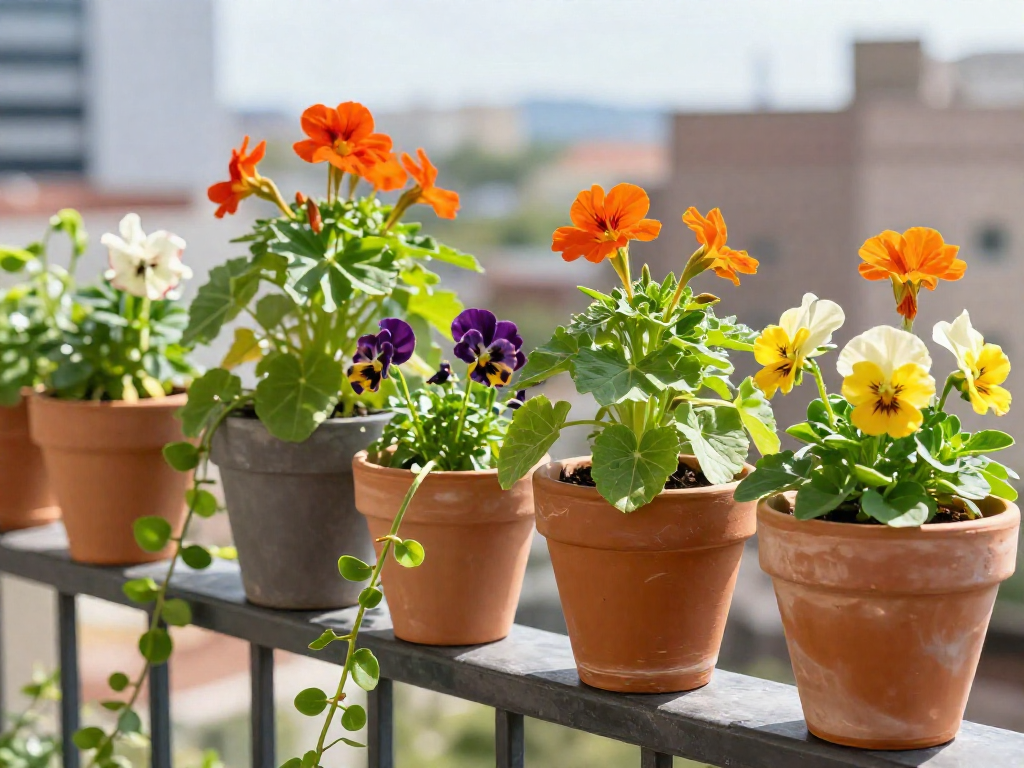
Why Grow Edible Flowers on Your Balcony?
Imagine stepping onto your balcony and snipping a few vibrant blooms to toss into a salad or float in a cool drink—all while enjoying a space that’s bursting with color and life. That’s the magic of growing edible flowers in containers. They offer a dual purpose that’s hard to beat: they’re as lovely to look at as they are to eat. For balcony gardeners, that means every square inch works double duty.
Many edible flowers are naturally compact and perfectly suited to pots and window boxes. You don’t need deep soil or sprawling beds; they thrive in the cozy confines of a balcony, making them ideal for urban spaces where every plant must earn its keep.
These blossoms also act as a pollinator magnet, drawing bees, butterflies, and even hummingbirds to your little high-rise garden. That added buzz of life not only helps your other plants set fruit or seed but creates a mini ecosystem that feels like a retreat from the concrete below.
And then there’s the culinary thrill. Homegrown edible flowers give you access to fresh, unique ingredients that grocery stores rarely carry. Think peppery nasturtiums, cucumber-flavored borage blossoms, or citrusy calendula petals—all just a few steps from your kitchen. They turn ordinary salads, cocktails, and desserts into something memorable, and there’s a deep satisfaction in growing these delicate flavors yourself.
Top 10 Edible Flowers for Container Gardening
Here are ten delightful edible flowers that thrive in containers, chosen for their beauty, flavor, and compact growing habits. Each one will bring color to your balcony and a new taste to your kitchen.
-
Nasturtiums: These cheerful, low-maintenance flowers come in vibrant reds, oranges, and yellows. Both the leaves and petals have a peppery, watercress-like taste, perfect for salads or garnishes. Trailing varieties like 'Empress of India' spill beautifully from hanging baskets, while bush types stay neat in standard pots. They bloom generously in full sun to light shade and poor soil actually encourages more flowers.
-
Pansies and Violas: With their cheerful faces, pansies and violas are cool-season favorites that keep blooming well into spring and fall. Their petals have a mild, slightly sweet flavor, making them a lovely addition to salads, desserts, or floating in drinks. They stay compact, rarely exceeding 6–8 inches tall, and are perfect for small pots or window boxes. Give them partial shade and regular water to extend the bloom.
-
Calendula (Pot Marigold): Also known as pot marigold, calendula offers sunny yellow and orange petals that brighten any corner. The petals have a subtle tang and are wonderful in salads, soups, or as a saffron substitute in rice. This easy annual blooms continuously if you deadhead, and it tolerates light frost. A 12-inch pot is plenty, and it does best in full sun with well-drained soil.
-
Borage: Borage produces striking blue, star-shaped flowers with a refreshing cucumber flavor, fantastic in summer drinks or frozen into ice cubes. The plants can grow up to 2 feet tall, so choose a deep pot (at least 10 inches) and provide a stake or cage for support. Borage self-seeds readily, but on a balcony you can simply snip off spent flowers. It attracts pollinators, too.
-
Chive Blossoms: If you already grow chives for their leaves, let a few plants flower. The purple pom-pom blooms pack an oniony punch, delicious torn over eggs, potatoes, or sour cream. Chives are undemanding perennials that thrive in a 6-inch pot in sunny spot. After blooming, cut back the spent flowers to keep the plant producing leaves.
-
Lavender: Not all lavenders are created equal for cooking; choose culinary varieties like English lavender (Lavandula angustifolia) such as 'Munstead' or 'Hidcote'. The intensely fragrant flowers add a floral, slightly sweet note to shortbread, lemonade, or ice cream. Lavender demands excellent drainage, so add perlite to your potting mix and use a terra cotta pot. Place it in full sun and allow the soil to dry between waterings.
-
Miniature Rose Petals: For a truly romantic touch, grow a miniature rose bush. The petals have a delicate fragrance and yield a subtle floral flavor. Make absolutely sure your plant has not been treated with systemic pesticides; many roses are, so buy from a reputable organic grower. Miniature roses fit nicely in a 12–14 inch pot, need at least 6 hours of sun, and reward you with blooms all season with regular feeding.
-
Squash Blossoms: If you have a bit more room, consider a compact zucchini or pumpkin variety bred for containers, like 'Bush Baby' zucchini. Both male and female blossoms are edible, but you might want to leave the females for fruit. Harvest male flowers in the morning, remove the stamens, and stuff with ricotta and herbs before a quick sauté. Use a large container (at least a 5-gallon bucket) with rich potting mix and consistent water.
-
Chamomile: For the most soothing cup of tea, grow German chamomile. It produces sprays of tiny daisy-like flowers with a sweet apple-like scent. This low-growing annual reaches only 8–12 inches, so a shallow, wide bowl works perfectly. Scatter seeds on the soil surface in early spring, keep moist, and soon you'll be harvesting blossoms. Dry them for tea or use fresh.
-
Dianthus (Pinks): The clove-like flavor of dianthus petals is a surprising treat in fruit salads or syrups. Compact and long-blooming, these perennials come in shades of pink, red, and white. Look for varieties like 'Firewitch' that stay under 12 inches, ideal for a sunny patio pot. Deadhead regularly to encourage more blooms and ensure good air circulation to prevent mildew.
How to Successfully Grow Edible Flowers in Pots
Growing edible flowers on your balcony starts with the right container. For most varieties, a pot that’s at least 6–8 inches deep gives roots plenty of room. Always choose containers with drainage holes—without them, soil stays soggy and roots rot. Terra cotta has a classic look and breathes well, but plastic or resin pots are lighter, which is a plus if you need to move things around on a windy balcony. Fabric grow bags are another excellent option; they prevent overwatering and keep roots aerated.
Fill your container with a high-quality, lightweight potting mix labeled for containers or raised beds. Avoid garden soil, which compacts in pots and can bring pests indoors. An organic mix with perlite or vermiculite added ensures good drainage while holding just enough moisture. Some flowers, like nasturtiums, actually prefer leaner soil—overly rich mixes can lead to lots of leaves but fewer blooms.
Most edible flowers crave full sun, meaning at least six hours of direct light each day. If your balcony faces east or is partially shaded, don’t despair. Calendula, violas, and borage tolerate less light and still produce flowers. Watch how the sun moves across your space and place pots where they’ll get the longest exposure. In hot climates, a bit of afternoon shade can protect delicate petals from scorching.
Consistent watering is key, but overwatering is one of the most common mistakes. Stick your finger an inch into the soil—if it feels dry, it’s time to water. Water deeply until it flows out the drainage holes, then let the soil dry slightly before the next round. Self-watering containers can help if you’re away during the day, but monitor them closely initially. Avoid wetting the flowers themselves, as damp petals can develop mildew.
Feed your flowering plants with a balanced organic fertilizer, such as a 5-5-5 or a bloom-boosting formula. Because you’ll be eating these blooms, skip any synthetic chemicals or pesticides. Dilute liquid seaweed or fish emulsion every two weeks during the growing season, or mix a granular organic fertilizer into the top layer of soil at planting time. Nasturtiums and calendula often need very little feeding; overdoing it can sacrifice flowers for foliage.
Companion planting can maximize your balcony’s beauty and health. Calendula and chives deter pests like aphids, so tuck them beside more sensitive flowers. Nasturtiums act as a trap crop, luring aphids away from roses or lavender. A single large container can host a mix: try a tall borage in the center, surrounded by trailing nasturtiums and a ring of violas at the edge. This layers heights and colors while keeping your plants happier together.
Harvesting and Using Edible Flowers in Your Kitchen
The real joy of growing edible flowers comes when you finally bring them into your kitchen. With a little care at harvest time and a few creative ideas, you can turn your balcony blooms into stunning, delicious additions to everyday meals.
When and How to Harvest
The best time to harvest edible flowers is in the morning, after the dew has dried but before the sun gets too hot. This is when the petals are most flavorful and full of moisture. Use clean, sharp scissors or your fingers to gently snip or pinch off the flowers right at the base of the bloom. Only take flowers that are fully open and free of any damage or browning. If you notice petals already starting to fade, leave them for the bees.
Gentle Cleaning and Storage
Once harvested, give your flowers a gentle rinse in cool water to remove any dust or tiny insects. Swish them softly and let them drain on a clean kitchen towel or paper towels, patting them dry very carefully. For best results, use them right away. But if you need to store them, place the dry flowers between layers of damp paper towels inside an airtight container and refrigerate for up to a day. Delicate blossoms like borage or violas might only last a few hours, so plan to pick them just before you intend to use them.
Creative Ways to Use Edible Flowers
Now for the fun part— experimenting in the kitchen! Here are some of our favorite simple and impressive ways to enjoy your harvest.
- Salad garnish: Brighten up any green salad by scattering whole petals or small flowers on top. Nasturtiums add a peppery kick; calendula offers a golden hue; and cornflowers bring a pop of blue.
- Ice cubes for drinks: Place clean flowers in ice cube trays, fill with water, and freeze. These look magical in lemonade, iced tea, or cocktails— a guaranteed conversation starter.
- Candied petals: For a stunning dessert decoration, brush petals with lightly beaten egg white, dust with superfine sugar, and let them dry overnight on a wire rack. They become crisp and sparkling, perfect for cakes and pastries.
- Floral butters: Soften unsalted butter and mix in finely chopped petals like chive blossoms, rose, or lavender. Add a pinch of salt or honey, then form into a log and chill. Spread on warm bread or melt over steamed veggies.
- Teas and infusions: Steep chamomile, elderflower, or rose petals in hot water for a soothing tea. Just a few fresh petals or a tablespoon of dried flowers per cup works wonders.
Safety First
As you explore, always keep these simple safety rules in mind. Eat only flowers you can positively identify; not every flower is edible, and some are toxic. If you have allergies, especially to plants, start with a tiny taste to see how your body reacts. Most importantly, never use flowers that have been treated with pesticides or other chemicals— this includes flowers from florists or garden centers unless clearly labeled as food-safe. Your balcony-grown blooms, lovingly tended without harsh sprays, are the safest choice.
Harvesting and using your edible flowers feels like a small act of everyday magic. With practice, you’ll discover your own favorite pairings and turn even a simple meal into something special.
Common Mistakes to Avoid When Growing Edible Flowers
Even the most enthusiastic balcony gardener can hit a few bumps when growing edible flowers. The good news? Most hiccups are easy to prevent once you know what to look for. Here are the most frequent missteps and how to sidestep them.
Overcrowding containers. It’s tempting to pack lots of seeds or seedlings into one pot, but edible flowers need room to stretch. Overcrowding leads to spindly growth, fewer blooms, and increased risk of disease. Stick to the spacing recommendations on seed packets and resist the urge to overplant.
Using garden soil instead of potting mix. Heavy garden soil compacts in containers, suffocating roots and drowning drainage. Always use a high-quality, lightweight potting mix formulated for pots. It’s fluffier, drains well, and gives roots the air they need.
Overwatering or poor drainage. Too much love can drown your plants. Overwatering is the most common cause of death for container flowers. Check that your pots have drainage holes, and water only when the top inch of soil feels dry. A saucer underneath is fine—just empty it if water stands for more than 30 minutes.
Neglecting to deadhead for continuous blooms. Removing spent flowers (deadheading) isn’t just about tidiness—it signals the plant to produce more blooms. For flowers like calendula, nasturtiums, and violas, regular deadheading keeps the harvest coming all season long.
Forgetting to harden off seedlings before moving outdoors. Seedlings started indoors are tender and need gradual exposure to wind and sun. Place them outside for an hour the first day, then increase the time over a week. This simple step prevents shock, sunburn, and stunted growth.
Not accounting for wind on high balconies. Breezes that feel gentle to you can batter delicate flowers. On upper floors, use a strategic windbreak: a trellis, a row of sturdy herbs, or even a decorative privacy screen. Also choose heavier pots that won’t tip over, and avoid placing them right at the railing edge during gusty days.
Gardening is all about learning. A mistake today is tomorrow’s know-how. With these pointers, your edible flower containers will thrive, and you’ll be clipping beautiful, tasty petals in no time.
FAQ
What are the easiest edible flowers to grow in containers?
Nasturtiums, calendula, and pansies are very forgiving and thrive in small spaces. They need well-draining potting mix and regular watering.
Can I grow edible flowers indoors on a balcony with limited light?
Yes, some flowers like violas, pansies, and certain herbs like chive blossoms can manage with 4-6 hours of sun. Choose shade-tolerant varieties and consider using a reflective surface to maximize light.
How do I ensure my edible flowers are safe to eat?
Start with organic seeds or transplants and use chemical-free potting mix. Avoid pesticides, and always verify the flower’s identity before eating, as some look-alikes can be toxic.
Which edible flowers attract the most pollinators?
Borage, calendula, and nasturtiums are magnets for bees and butterflies. Even a small container of these flowers can bring beneficial pollinators to your balcony.
Can I mix edible flowers with vegetables in the same container?
Absolutely; flowers like nasturtiums pair well with tomatoes, and calendula complements leafy greens. Just match plants with similar light and water requirements to keep everyone thriving.