Fall Container Planting: Best Cool-Season Veggies for Balconies
Don't pack away your balcony garden when summer ends. Fall's cooler temperatures are ideal for growing crisp, sweet vegetables that thrive in containers. Discover the best cool-season crops to plant now and keep your urban harvest going all season long.
Why Fall is the Secret Season for Balcony Gardens
Many balcony gardeners tuck away their gloves as summer fades, but autumn opens a window of unexpected abundance. The cooler months bring conditions that make container gardening almost effortless, and the harvests can be sweeter and longer-lasting than anything you’ve snipped in July.
First, just think about watering. When temperatures drop, your planters dry out far more slowly. That means fewer trips with the watering can, less worry about heat-stressed pots, and a much lower risk of crispy leaf edges. Your balcony becomes a forgiving space where a skipped day isn’t a crisis.
Pest pressure also fades. Aphids, whiteflies, and cabbage worms thrive in hot weather, but as autumn air crisps up, their populations plummet. You’ll spend less time squinting at the undersides of leaves and more time snipping perfect greens. On a small balcony, where one outbreak can decimate your entire crop, this seasonal shift is a game changer.
Then there’s the flavor. A light frost works magic on many cool-season crops by triggering them to convert starches into sugars. Kale becomes noticeably sweeter and less bitter. Carrots develop a candy-like crunch. Brussels sprouts, often dismissed by impatient growers, turn tender and nutty after they’ve been kissed by frost. Even if your balcony only gets a mild chill, the plants still benefit from the cooler growing pace.
With the right quick protections, you can keep harvesting well into early winter. Drape a lightweight row cover over your railing planters, cluster pots against a warm wall, or rig a simple cold frame from a clear storage bin. These small moves trap daytime heat and buffer against sudden cold snaps, turning your balcony into a microclimate that shrugs off the first snowflakes.
Perhaps the best-kept secret is how perfectly fall suits leafy greens and root crops that bolt or turn bitter in summer. Spinach, arugula, mizuna, and lettuce thrive without rushing to seed. Radishes and baby beets reach crisp perfection without getting woody. Since these plants stay compact, they fit easily into window boxes, vertical pockets, and every nook of a small balcony. You’ll fill your kitchen with fresh salads and roasted roots when the neighbors have long forgotten their garden dreams.
Fall is not an ending—it’s a second act. The season hands you less work, fewer pests, outsized flavors, and a chance to watch your balcony glow with deep green abundance against a gray city backdrop. All it takes is a few packets of seed and the willingness to embrace the crisp air.
Top Cool-Season Vegetables for Containers
Your balcony can yield an impressive harvest well into the cooler months—you just need the right plants and a little planning. These varieties thrive in the brisk temperatures of fall and don’t demand sprawling raised beds. They’re all well-suited to containers, and many will reward you with repeated pickings.
Leafy Greens
Kale, spinach, arugula, and lettuce mixes are the backbone of a fall container garden. Go for loose-leaf lettuce blends labeled “cut-and-come-again”—you can trim the outer leaves and the plant will keep producing for weeks. These greens handle light frosts and actually sweeten after a chill.
Root Crops
- Radishes: The speed demons of the cool season. Cherry Belle or French Breakfast radishes can go from seed to plate in under 30 days. Just give them consistent moisture.
- Carrots: Stick to short, round varieties like ‘Paris Market’ or ‘Little Finger’ that don’t need deep soil. A pot that’s about 6–8 inches deep is plenty.
- Beets: Baby beet varieties, such as ‘Baby Ball’, produce tender roots and delicious greens. Thin seedlings early for best root development.
Brassicas in Pots
Compact broccoli, cauliflower, and Brussels sprouts can work on a balcony if you give them room. Choose a 3–5 gallon container per plant and place it where it’ll get at least 4–6 hours of sun. Varieties like ‘De Cicco’ broccoli or ‘Cheddar’ cauliflower stay manageable and yield well in tighter spaces.
Alliums
- Green onions: Plant onion sets or bunches of starts in a narrow, deep pot. You’ll be snipping fresh tops for salads and soups in just a few weeks.
- Garlic: Yes, garlic! Tuck individual cloves into a container in fall (pointy side up), mulch lightly, and you’ll have green garlic or full bulbs by next summer. It’s a low-effort crop that sits quietly over winter.
Peas
If you still have a mild early fall window, try sugar snap or snow peas. They’ll appreciate a small trellis or a few bamboo stakes tied together at the top. Sow seeds 1–2 inches apart, and pick pods often to keep the vines flowering.
Pro tip: Whenever you’re seed shopping, scan for words like “patio,” “container,” or “compact.” These cultivars were bred to stay smaller and perform well in limited root space, making your balcony garden even more successful.
Choosing the Right Containers and Soil
The right container and soil can make all the difference when growing vegetables in a small space, especially with the cooler temperatures and shorter days of fall. Start by choosing pots that are at least 8–12 inches deep to give roots plenty of room to spread. Fabric grow bags are a fantastic option for balconies—they're lightweight, breathable, and encourage air pruning of roots, which prevents plants from becoming root-bound.
Drainage is non-negotiable. Check that every pot has ample drainage holes, and lift them slightly off the floor using pot feet, bricks, or a plant caddy. This keeps the bottoms from sitting in water and rotting, plus it protects your balcony surface. If your balcony is unseasonably cold, give containers a bit of insulation—wrap them with bubble wrap, slide them into a slightly larger outer pot, or nestle them together to trap warmth around the roots.
Soil quality directly impacts your harvest. Skip garden soil or cheap fillers; instead, use a high-quality potting mix that's labeled for containers. For fall veggies, amend it with about 20% compost to boost nutrients and moisture retention. This blend stays loose and drains well while holding enough water for cool-season crops like leafy greens and root vegetables.
Watering can be tricky in fall when dry spells alternate with rainy days. Self-watering containers are a smart solution—they reduce the guesswork and cut down on daily chores, especially if you have a busy schedule. Just remember to check the reservoir regularly, as plants drink less in cooler weather. With the right pot and soil setup, your balcony garden will thrive well into the crisp autumn months.
How to Plant Fall Balcony Veggies
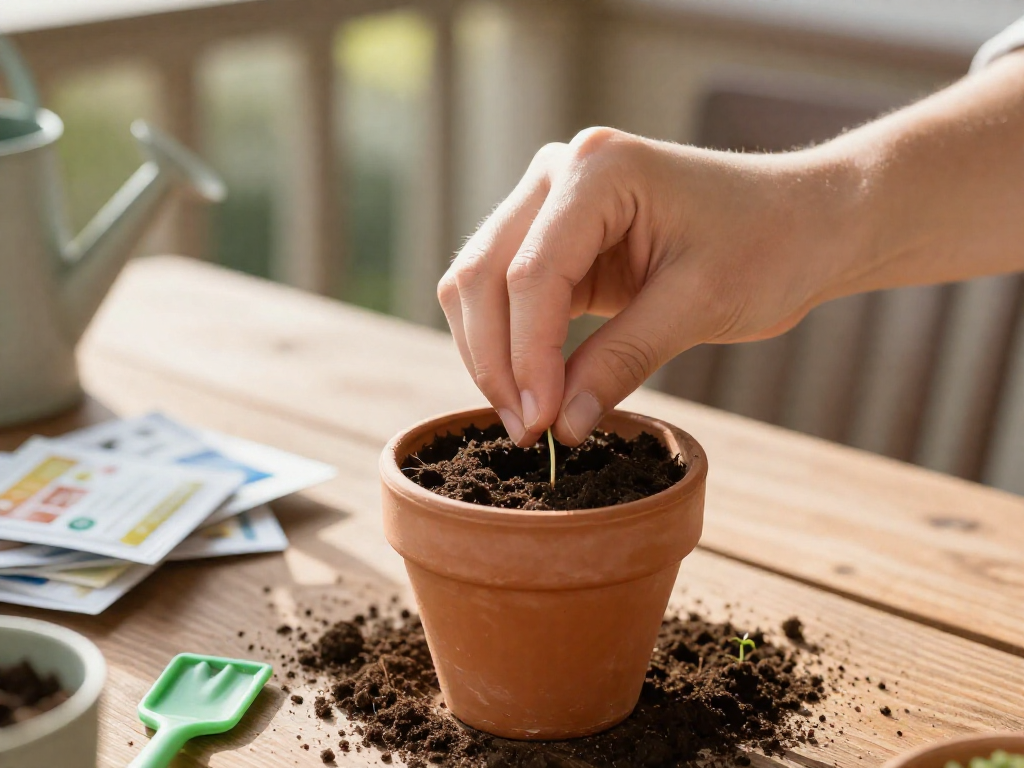
Getting your fall balcony garden started is simple when you follow a few key steps. First, figure out your average first frost date (a quick online search for your city will do) and then count back 6 to 8 weeks. That’s your target window for getting seeds directly into the soil outdoors—timing it so your cool-season veggies have a strong start before chilly nights set in.
If late summer is still blazing hot, don’t worry. Tender seeds like lettuce and spinach can be started indoors on a windowsill or under a small grow light, where temperatures are more forgiving. Once they’re a couple of inches tall and the outdoor weather breaks, harden them off for a few days by setting them out in a shady spot, then transplant into your containers.
When sowing directly, don’t be shy. Sprinkle seeds a bit thicker than the packet recommends—crowding is actually your friend here. As the seedlings emerge and reach an inch or two, snip away the extras to achieve the final spacing. Those tender thinnings are delicious as fresh microgreens, so nothing goes to waste.
Right after planting, give the soil a deep, gentle soak. Consistent moisture is the secret to germination, so check daily and water whenever the top inch feels dry. A balcony can dry out fast, so this step is extra important.
Finally, lock in that moisture and add a cozy blanket by mulching. A thin layer of straw or shredded dry leaves works beautifully, keeping the soil temperature steady and blocking weeds. Just tuck it around the seedlings, leaving a little breathing room around each stem. With these simple steps, you’ll be harvesting your own fresh salads well into fall.
Ongoing Care and Frost Protection
Your fall containers will thrive with just a little routine attention. Fertilize every three to four weeks using a diluted balanced liquid organic feed to keep leafy greens and root crops productive as days shorten. Watch for pests that linger in cool, moist autumn weather — slugs and aphids can surprise you. A weekly inspection takes moments; if you spot trouble, a spray of neem oil or insecticidal soap solves it gently without harming your edible plants.
Harvesting is your best tool for encouraging fresh growth. Pick outer leaves from kale, lettuce, and chard regularly, leaving the center to push out new foliage. This cut-and-come-again method means your salad bowl stays full for weeks. When overnight temperatures dip toward frost, be ready to act. Lightweight floating row covers draped over pots hold in a few degrees of warmth. Repurposed clear plastic cloches — simple juice bottles with the bottom cut out — work beautifully over individual plants. If a hard freeze is forecast, carry containers inside to a sheltered spot like a stairwell or unheated sunroom, then return them outdoors in the morning.
Watering smartly matters more as nights turn chilly. Give your plants a drink in the morning so leaves can dry completely before sunset. Wet foliage in cold evenings invites fungal issues. Aim to keep the potting mix evenly moist but not soggy; overwatering in cool temperatures can rot roots quickly. With these simple habits, your balcony will keep producing crisp, sweet veggies right into winter.
FAQ
What vegetables can I plant in September on a balcony?
Focus on cool-season greens like spinach, lettuce, kale, and arugula, along with radishes and carrots. These crops thrive in the milder fall temperatures and are perfect for container growing.
How do I protect balcony plants from frost?
Move containers closer to the building for warmth and cover plants with frost cloth or old sheets when frost is forecast. Adding a layer of mulch also helps insulate the soil.
Can I grow vegetables on a balcony all winter?
Yes, with cold-tolerant varieties and proper protection. Use cold frames or cloches to create a microclimate for hardy greens like mâche or kale, which can survive light freezes.
What size containers do I need for fall veggies?
Most leafy greens need at least 6-8 inches of soil depth, while root vegetables like carrots require 10-12 inches. Ensure containers have drainage holes to prevent waterlogging.
When should I start fall seeds on a balcony in Zone 6?
Start seeds in late summer, typically late July to early August, to give plants time to mature before hard frosts. Transplant seedlings to the balcony in early September.